

Don't Worry, We've Got Time
Frankie Richard spent the last eight months of his life trying to get what he knew about the Jennings murders onto paper, and he died in his sleep before he finished a page.

He sits in a rented house off Eden Church Road in Denham Springs on a Monday afternoon in July 2019, thin and frail, his beard and mustache gone untended. Nobody in Jennings knows he’s here.
“I got out of Jennings after my mother died,” Frankie Richard told me that day. “I lived in Morse, but the press found me there after a while. I moved in with family here and told everybody I was in Baton Rouge. Life got peaceful when people couldn’t find me no more.”
He said his health was bad and he didn’t know how long he had.
His story and the lack of justice surrounding the deaths of the eight women have been the focus of many news articles, a book and documentary series that often implicated him.
The investigating task force said they confirmed early in the investigation that the victims, all allegedly prostitutes, knew each other and at least seven of them worked for Frankie Richard at some point.
Over the years, Frankie Richard maintained his innocence.
The Jennings Police Department initially named him a person of interest in 2007. At that time, Richard was in jail on an unrelated rape charge. He was questioned in the disappearance of two of the women and the Jennings P.D. later filed second-degree murder charges against him in connection with one of the cases.
After witnesses recanted statements, both the rape and murder charges were dropped. And a former Jeff Davis Sheriff said in a recorded interview that Frankie Richard was in a rehabilitation center in Shreveport when one of the women went missing.
In 2019, the suspected pimp and drug dealer told me he wanted to document what he knew about Jefferson Davis Parish. It’s dirty cops, prostitution, the Jennings drug trade, and a cartel route that ran through Louisiana across Texas and into the Midwest. Before I left the property there, I agreed to help him edit his story.
Two weeks after our meeting, Richard texted that he’d moved back to Morse. He still wanted to work on the book, he said, but he had business first.
But in Morse he bragged about his plans. Big mistake.
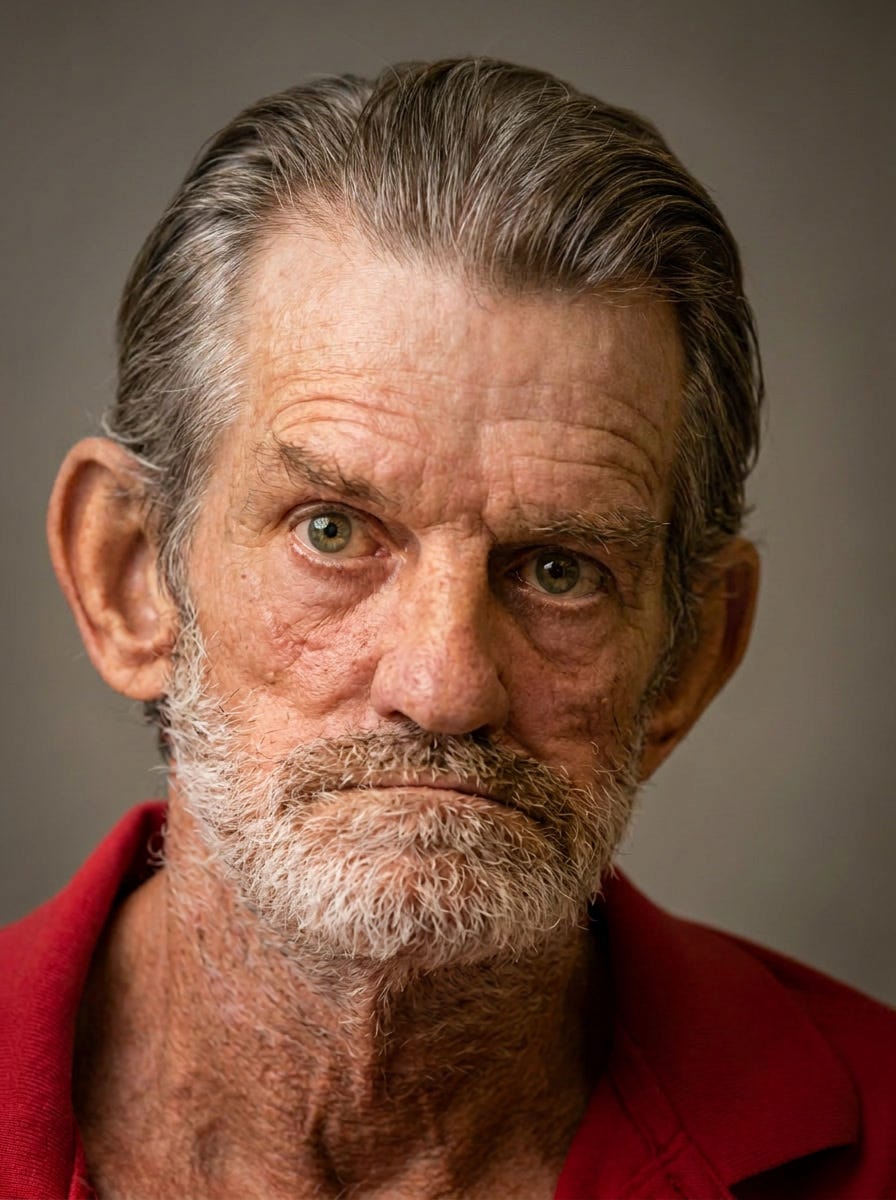
On the evening of September 11, Morse Police answered a 911 call from a woman saying Frankie Richard went into convulsions. The police affidavit after said they found a meth pipe and torch, crack cocaine, oxycodone, methamphetamine, and Xanax on scene. The woman told investigators that Richard paid her in Roxicodone pills to have sex with other men.
A relative of the 64-year-old told me that week, “Frankie started running his head [about writing a book]. That’s why they gave him the bad dope. He thinks they won’t take him out because of what he knows. He’s just been lucky so far.”
The hospital released him and the police booked him into the Acadia Parish jail on an $86,000 bond, a thousand dollars more than the posted Crime Stoppers reward for the eight murders.
He went into jail on the same day Showtime aired part one of “Murder in the Bayou.”
On February 1, 2020, he texted me from his daughter’s house in Jennings, saying he was out. “They tell me I died three times. I’m in a wheelchair, but not for long.”
On March 17 he wrote that he finished rehab. The night of March 21 he wrote, “Say, Big Man, I made it to Baton Rouge. Give me a call.”
On the phone he was anxious to get back to the book, but I couldn’t meet right away.
“Don’t worry,” he said. “We’ve got time.”
He died in his sleep that night on his niece’s couch in Denham Springs. The Livingston Parish Coroner’s Office attributed it to lung disease without an autopsy.
Frankie Richard never wrote a word of that book, but others love to write about him. Guessing what he really knew.
And his name is surely in the case file Sheriff Kyle Miers told the Jennings Daily News on August 7 his detectives are rebuilding from scratch.
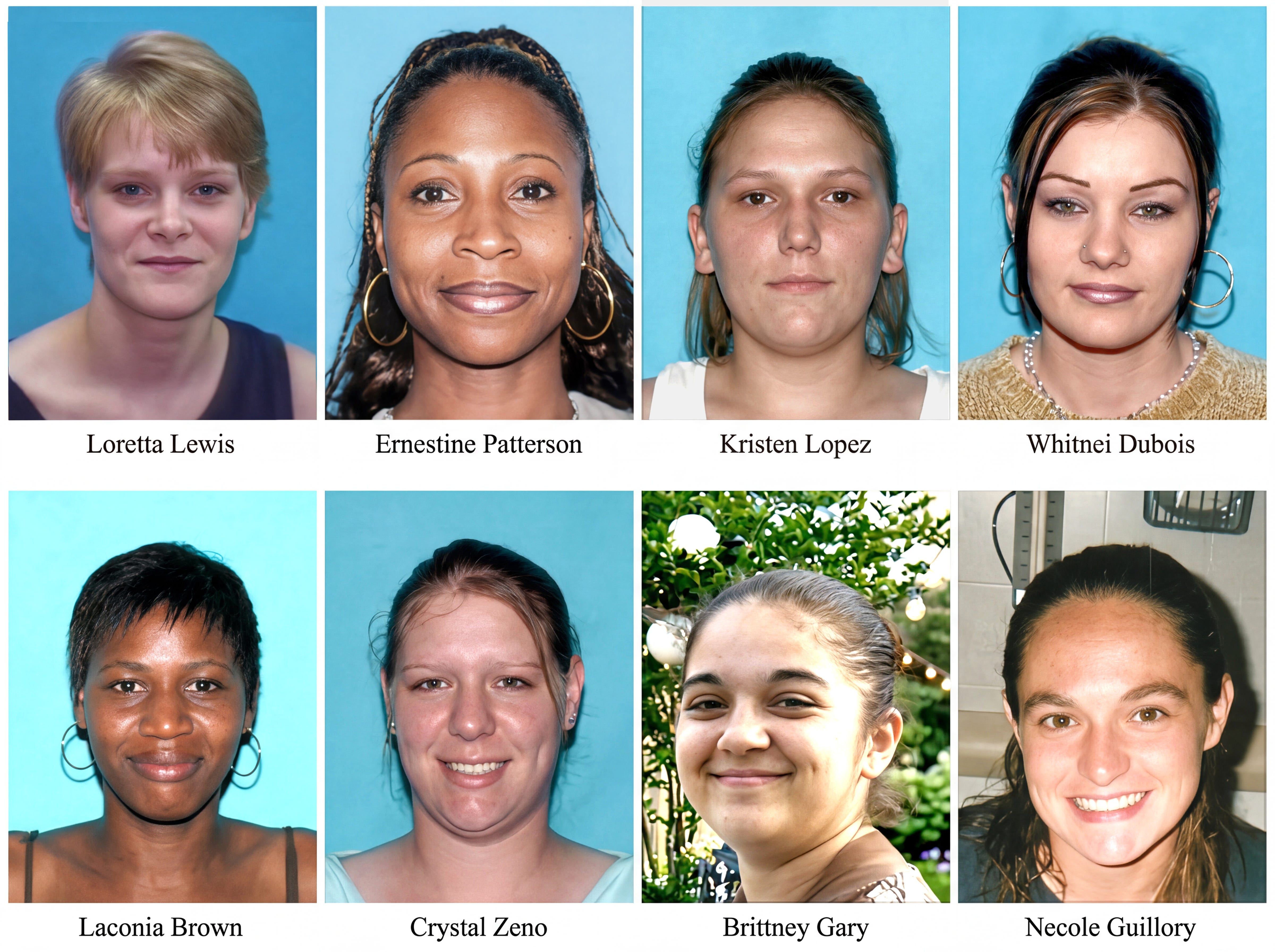
Back in December 2008, fourteen local, state, and federal agencies formed a task force to work the Jennings deaths.
The team was about a month old when the Louisiana State Police began investigating two of its own members.
A state ethics board fined veteran Jefferson Davis Parish detective Warren Gary $10,000 after he bought a truck investigators tied to one of the deaths. Jennings PD fired Detective Paula Guillory over $3,000 confiscated in a raid but never accounted for.
Lorritta Elizabeth LaCoste later named the task force’s chief investigator, Parish Jail Warden Terrie Guillory, in a wrongful death suit. Then officers shot and killed her boyfriend, police informant Steven Thomas Gunter, in his Lake Arthur home in June 2007.
Necole Guillory was the only one of the eight killed after that task force started.
Two potential suspects never made the documentaries.
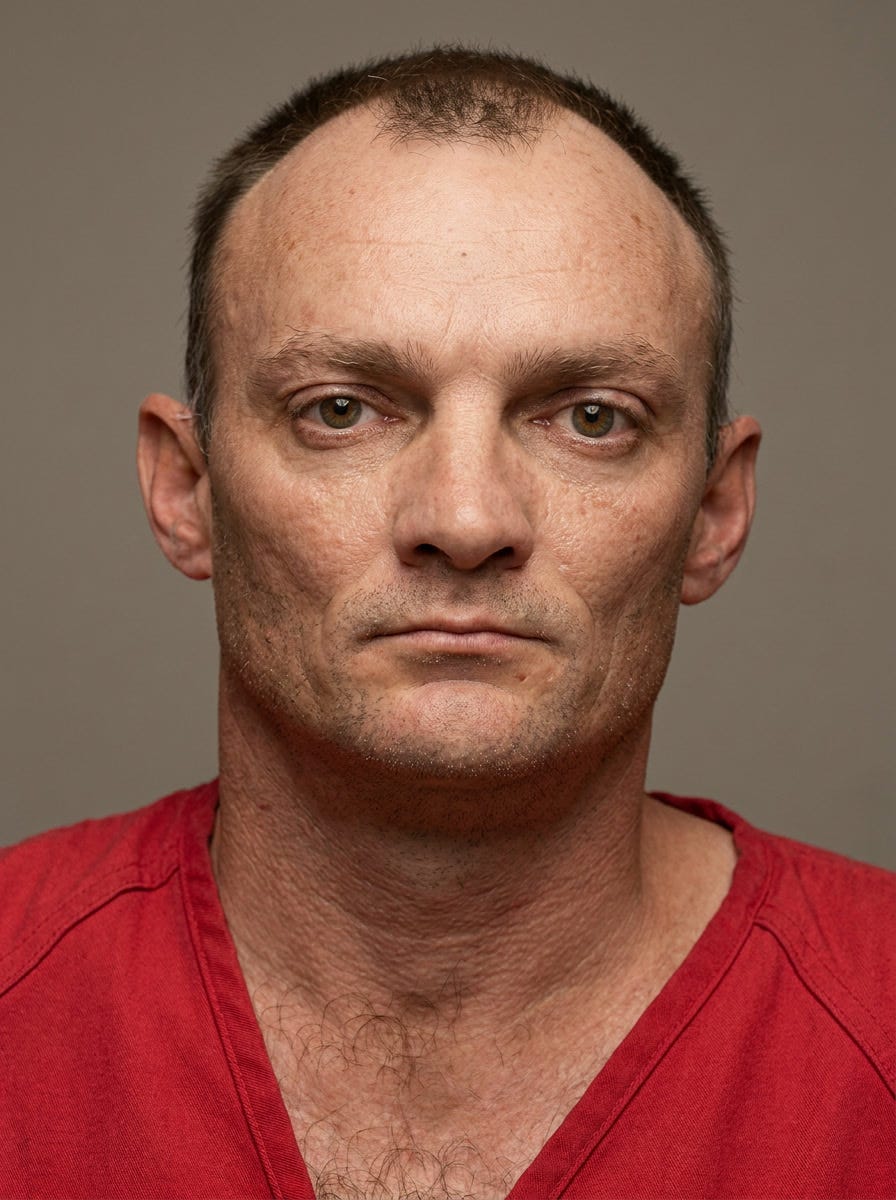
Brian K. Lasage covered his face with a piece of clothing and called each of his victims by her first name, Lafourche Parish Sheriff Craig Webre said in 2010. A Jefferson Davis Parish court convicted Lasage of forcible rape in Jennings in 1991 and sentenced him to fifteen years.
In 2010 he pleaded to aggravated burglary in two Lafourche Parish knife assaults and got thirty years without parole. At Elayn Hunt he allegedly told a fellow inmate, “I’m looking forward to Angola. It will give me time to write a book on my girls in Jennings.”
Brandon Joseph Hebert stood 5 foot 7 and weighed 160 pounds in 2005 when Jennings police raided his Holiday Inn room in connection with the death of Loretta Lynn Chaisson Lewis.
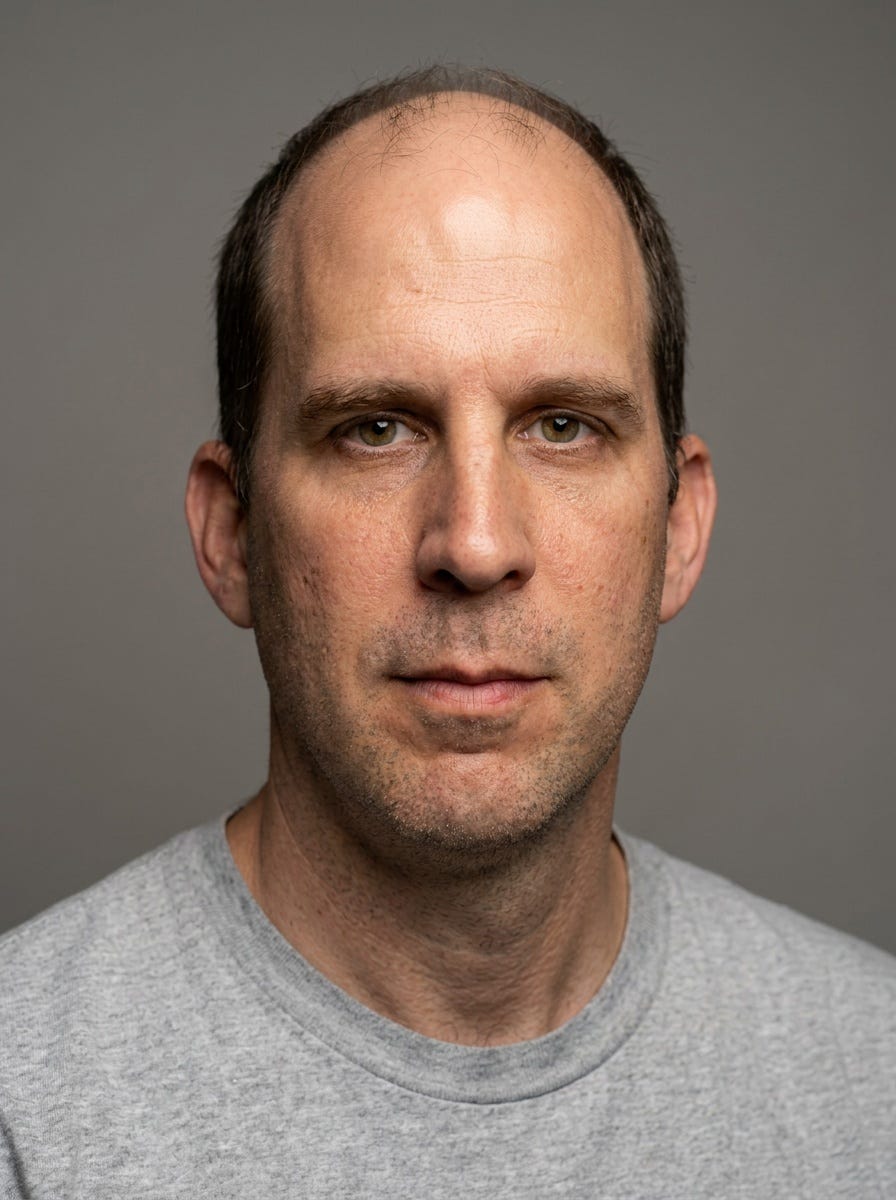
They took his saliva, a Walmart receipt, tissue paper, a black shirt and blue jean shorts. Out of the room they carried a Louisiana ID card, a video poker receipt, two note pads, a green cigarette lighter, two beer bottle caps, a half dozen rolls of 35-millimeter film, and a Fujifilm Hi-8 videotape.
Investigators charged Hebert with possession of child pornography two years before that. He is a registered sex offender and lives today in Sunset.
No one has ever charged either man in connection with any of the Jennings murders.
Toby Leger called me. From November 1999 to January 2009 his company leased the Boudreaux Inn on Highway 26, and he drove there weekly for payroll. He died in 2021, at fifty-seven.
Ethan Brown’s book named the motel and cited three unnamed sources who said Representative Charles Boustany paid two of the murdered women for sex at Leger’s place. Scribner released Brown’s book two months before the 2016 election Boustany lost.
“The October Surprise has been sinking political campaigns as long as I can remember,” Leger told me, “but this is different because the lie muddies the water, preventing families from getting justice for eight murdered girls.”
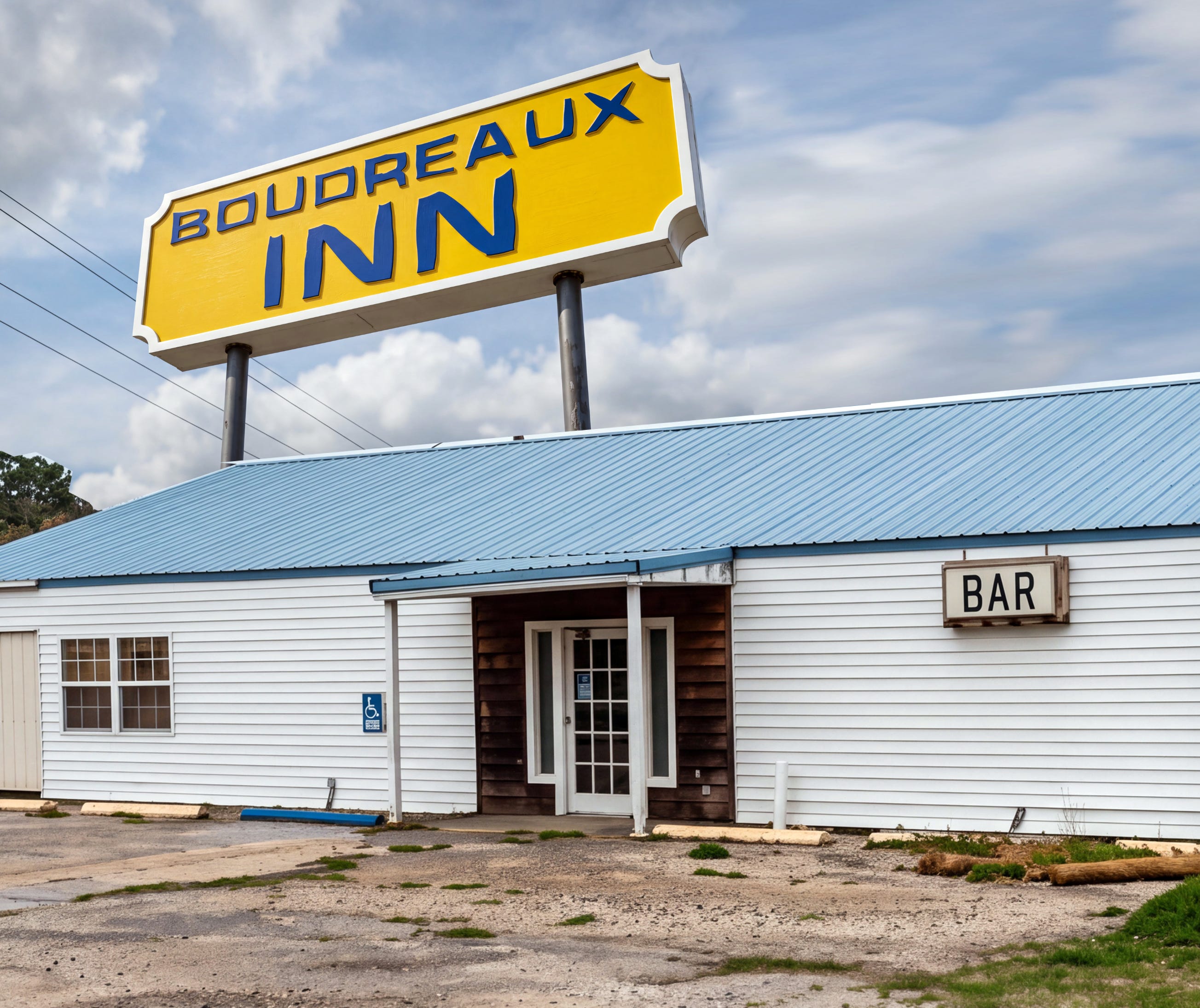
Leger also told me about Ernestine Patterson, who cleaned his rooms. He said Ernestine talked only about church and her children, and she always dressed to keep from showing skin.
“I always wondered how she made the list,” Leger said.
Toby Leger died in 2021.
Like Leger, Frankie Richard spoke highly of the victims, five of them at least, who he described as his friends.
“No serial killer got them young girls in Jennings. Them people responsible kill snitches up and down I-10.”
He thought he had time to say more.
So does everybody else in that parish afraid to share the truth.
If you have information about the deaths of these women, contact Bayou Justice, Crime Stoppers, or the Jefferson Davis Parish Sheriff’s Office.