

The kid Stormy called Felix
In 1955, a New Orleans stripper who fought an impostor and a lawsuit over her own stage name, hired a poor, awkward teenage sweeper boy who called himself Felix, not knowing who he'd become.

The telephone rang in a New York apartment in July 1952, a toddler asleep in the next room and a warm rain streaking the window glass outside.
Thomas Griffin, who had taken over the Lagniappe column at the New Orleans Item after John Lester left for New Jersey, was calling long distance with news. Stanley Lyle had booked a new dancer at the Casino Royale, one who did the Stormy Weather routine and argued with handsy customers exactly the way Stacey Lawrence used to.
“Tourists think she’s the real Stormy,” Griffin said. “They can’t tell the difference.”
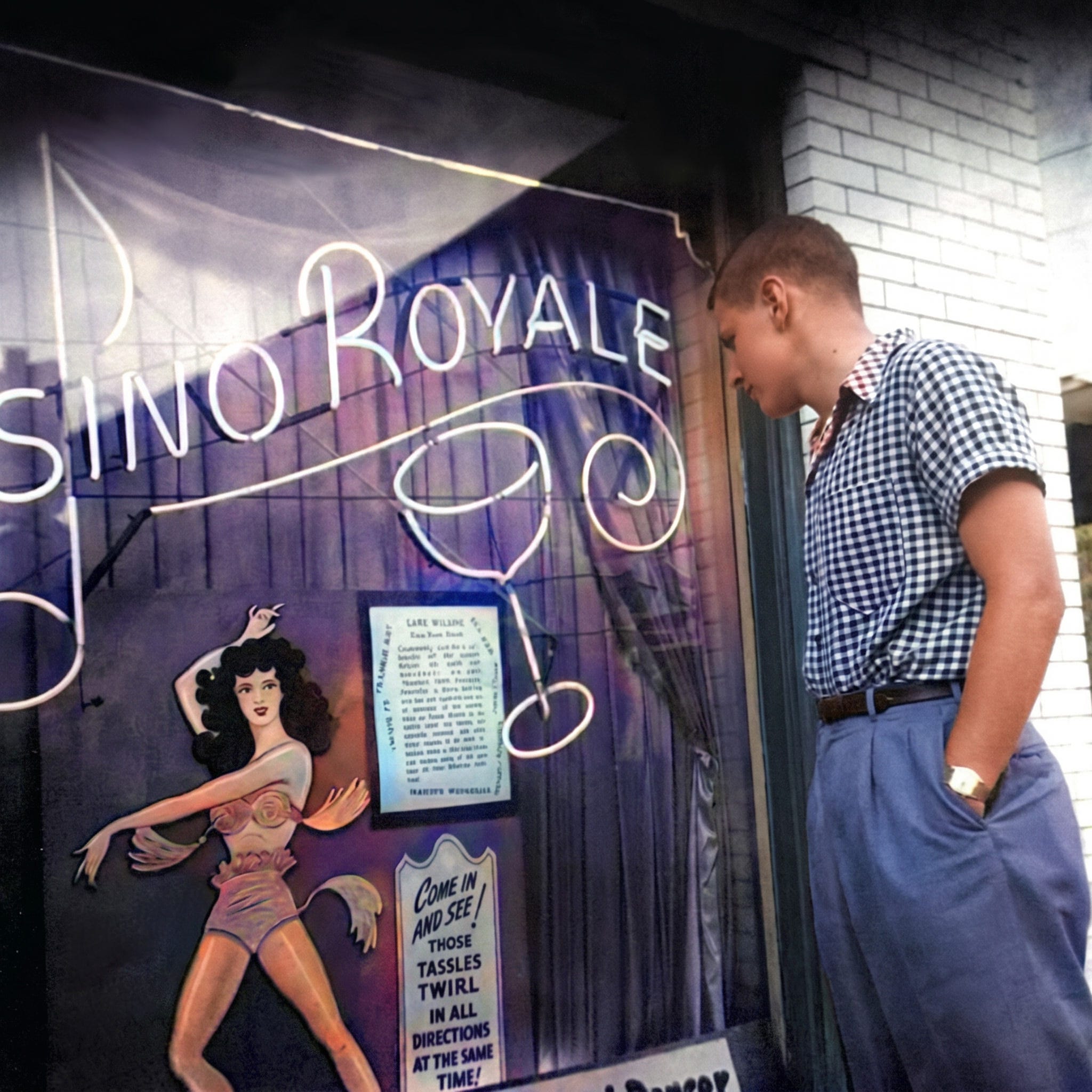
Weeks earlier, the same paper had run a notice calling the new Stormy “the greatest name in Bourbon Street show business,” language it had once used, without irony, about Stacey herself.
Stacey returned to New Orleans three months later to settle the matter. In the photographs displayed in the club’s windows, raven-haired like her own reflection, hair waved and worn short, slender and pale, she recognized the face. The substitute Stormy was her own half-sister, Mildred Kidd, back from college in Kentucky.
Stacey did not make a scene about Millie.
The year before, a federal judge had dropped murder charges against three men accused of conspiring in Johnny Stringfellow’s killing, citing insufficient evidence. Dave Walden and Johnny McVeigh were already serving double life sentences for Stringfellow and for a woman named Lonnie Foster, both bodies recovered from the Okefenokee Swamp. A Georgia court ruled that both died in Columbus in 1944.
Only one living witness could have confirmed exactly how Lonnie Foster died, and where. Not knowing where Helen Spellman went, nobody asked Stacey Lawrence a single question about the murders.
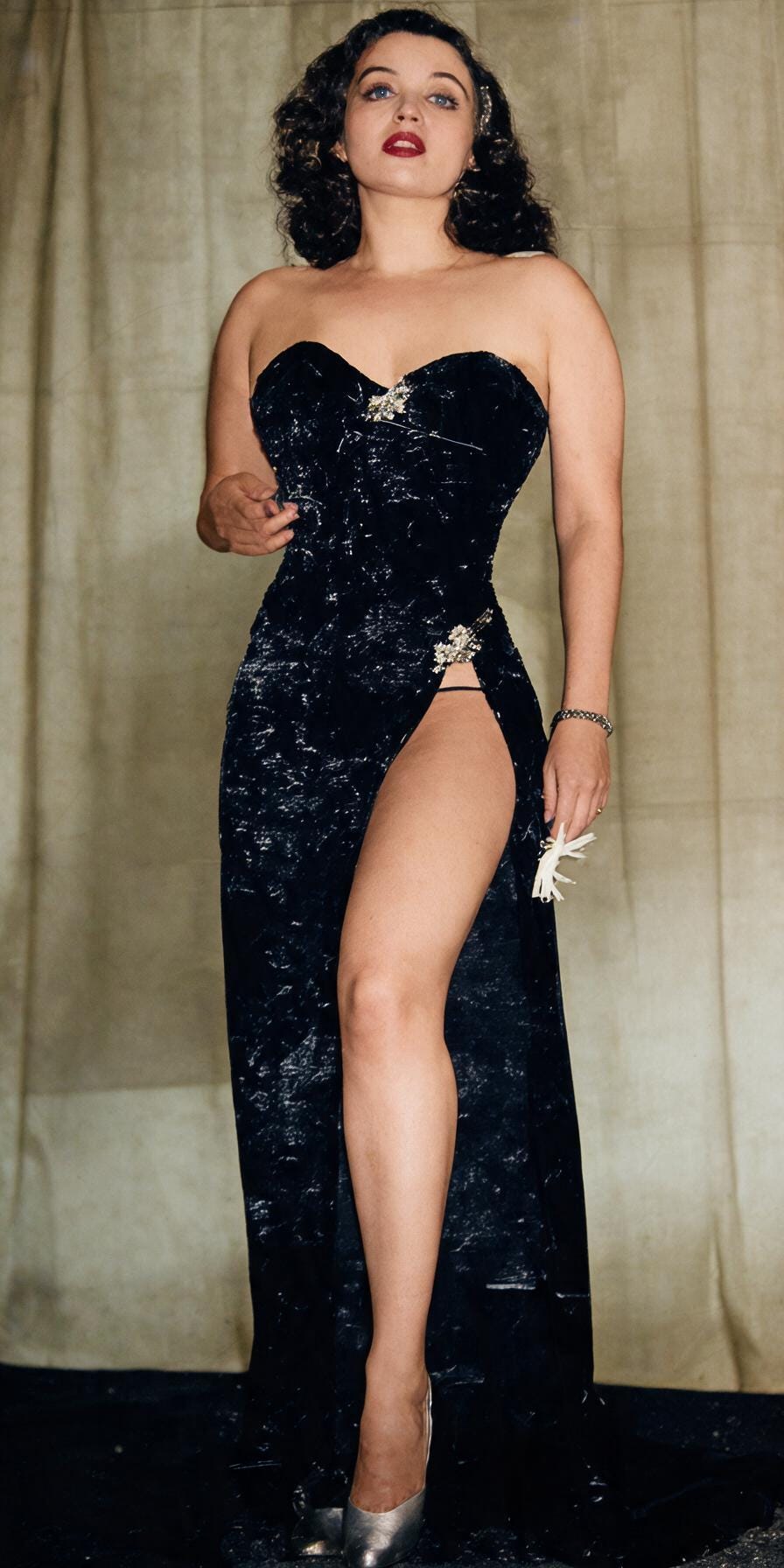
Instead of confronting her sister, Stacey signed on across the street from the Old Opera House, where she had started in 1945, dancing under her original stage name rather than reclaiming Stormy. Griffin’s own column recorded it: “At Dan’s International Settlement Club, Stacey, the one-time French Quarter sensation, is playing her first engagement since retiring from the stage four years ago.”
The same column covered the rest of that week’s Bourbon Street business, printed right alongside hers without a flicker of comment: Rita Parker playing a statue come to life at Club Slipper, Evelyn West flaunting a bust insured for fifty million dollars, Cupcake O’Mason at the Sho-Bar, and Lilly Christine, the Cat Girl, headlining Prima’s 500 Club. Life on the street went on as though a Georgia courtroom hadn’t just decided something much larger.
After seven months, the Panno brothers offered Stacey a stage at their Sugar Bowl. She agreed, on two conditions of her own: rename the place Stormy’s Sugar Bowl, and split the profits.
Stanley Lyle sued. He had bought her Stormy name once, and he intended to keep it, even from her.
A judge granted him a temporary injunction, barring every dancer in New Orleans from using the name Stormy at all. The order backfired on Lyle, as “everyone” included his own impostor Stormy.
Then, in October 1954, Judge René A. Viosca concluded the matter. His rule stated: “The name of an artist has never been regarded as a trading name, and as such salable. The sale of such a name would enable the assignee to impose and deceive the public, something happening today at Mr. Lyle’s place of business.”
Lyle, fearing the publicity, invited the original Stormy back to the Casino Royale as a partner. She accepted, and shared a stage there with Dolores Rozell and Kitty West, the original Oyster Girl. Millie made a name for herself, performing at 601 Bourbon Street as Tanga, the Beautiful Doll.
Stacey then performed at her namesake nightly from 1955 until 1957, when Lyle’s wife divorced him and the club went bankrupt.
Carlos Marcello’s Sho-Bar came next, then the Gunga Den.

One afternoon in 1955, in the middle of her return stretch at the Casino Royale, Stacey is working alone at Lyle’s club when she catches in a mirror the reflection of a teenage boy watching her practice. She does not turn around.
“Are you watching my behind?” she asks.
“No, ma’am,” the kid says. “I want to axe you a question.”
He is thin and undersized, a boy in a shirt with the collar a size too large.
She will describe him to me herself one day, in a October 1981 interview, five months before her death, “The kid wore his older brother’s hand-me-down trousers, recut to fit him. His mother worked whatever hours she could: insurance debits, nursing shifts. So he came home most afternoons to empty rooms.”
“Did Ian Fleming get his name from this place,” the boy asks her that afternoon they met, “or did you name your casino after his book?”
She steps down and turns to face him. “Kid, they named this place long before Miss Stormy came along. What book?”
“Casino Royale,” he says, pulling a dog-eared paperback from his pocket. “The writer was a real espionage agent.”
“Let me see your book,” she said. “What’s your spy’s name?”
“Bond. James Bond.” He grins like she missed some inside joke.
“Well, Mr. Bond, you need money? I’m hiring someone to sweep up around here after school.”
“Swell,” he says, “but I really couldn’t be James Bond. He’s British. The American spy in the book is Felix.”
“Well, then, Mr. Felix,” she says. “I’m going next door. Diamond Jim’s making me a sandwich. You hungry?”
Over the next seven months, the kid worked three bars on Bourbon Street. Stacey and another dancer, Lilly Christine, looked out for him, still calling him Felix. When the kid joined the Civil Air Patrol, he came by to show his uniform. That’s when they learned his real first name.
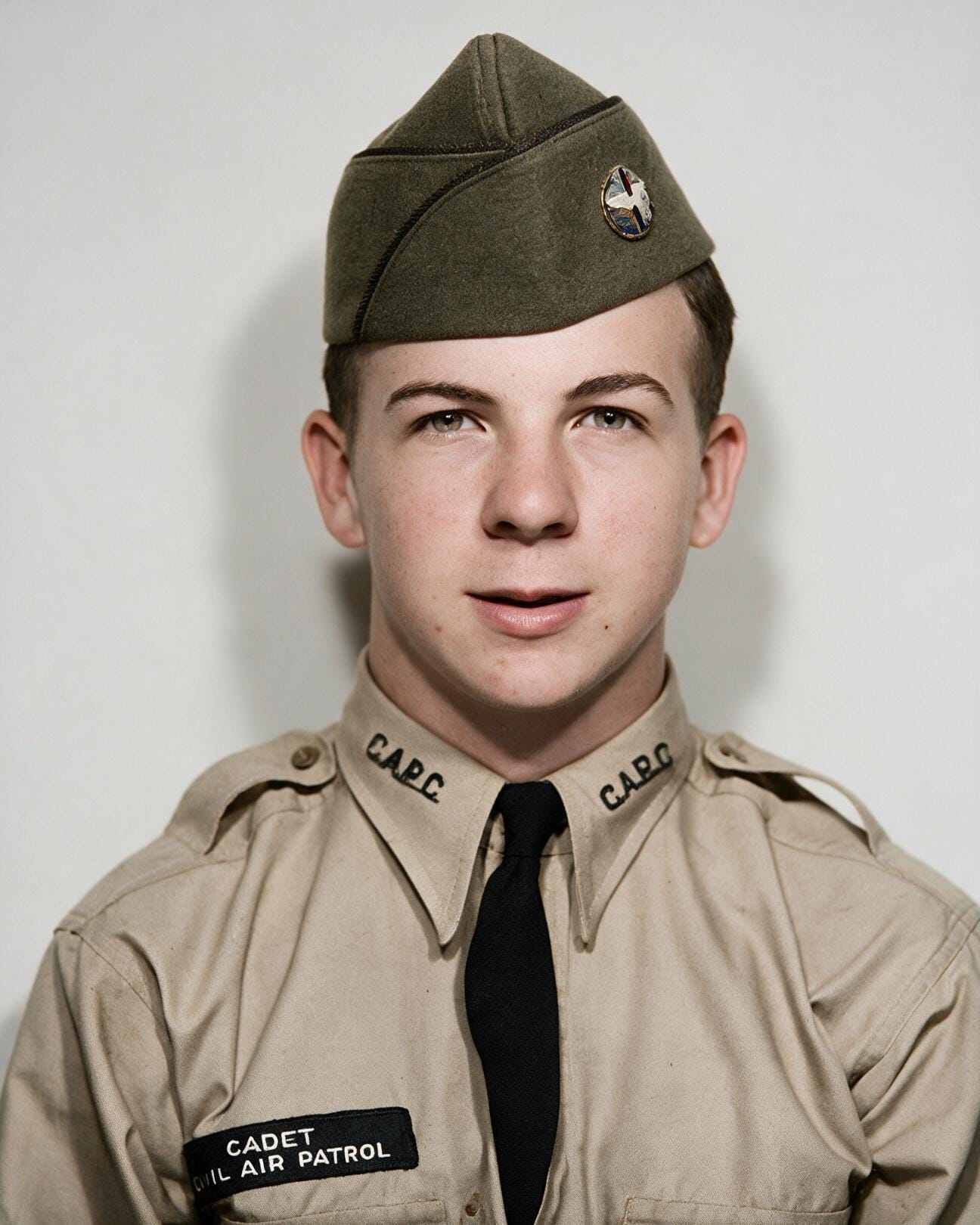
If he ever shared his last name, Stacey didn’t remember it. In time, the kid moved away and the girls lost track of him.
Then, in June 1963, Martha Pompender (Lilly Christine) called Helen Spellman (Stacey Lawrence), letting her know the kid they befriended was back in New Orleans and looking for her.
Stacey learned the kid’s surname five months later, the same afternoon as everyone else, when Dallas police walked him past the television cameras and Newsman Walter Cronkite pronounced his full name as Lee Harvey Oswald.