

The man who found the bodies
A silenced .22 killed Judge Vincent Sherry and his wife Margaret in their Biloxi home in 1987, on orders that traced back to a convict's trust account managed by the law partner who found the bodies.

A yellow Ford rolls to a stop outside a judge’s house in Biloxi, Mississippi, a little after seven on a Monday evening, September 14, 1987. The driver carries a .22 Ruger automatic with a silencer he built himself out of foam. He walks up like a salesman and knocks on the door.
Vincent Sherry opens it.
Margaret Sherry comes out of the bedroom in her underwear, drawn perhaps by the sound of her husband falling. The visitor fires his quieted pistol again and exits the house.
He leaves nothing behind but casings and a scatter of foam.
Nobody calls the police. The house sits for two days without anyone finding the Sherrys inside. Two days.
Wednesday morning, September 16, Judge Sherry missed court. In forty years around courthouses, I’ve never known a sitting judge to miss his own docket without somebody calling his home. This case was no different.
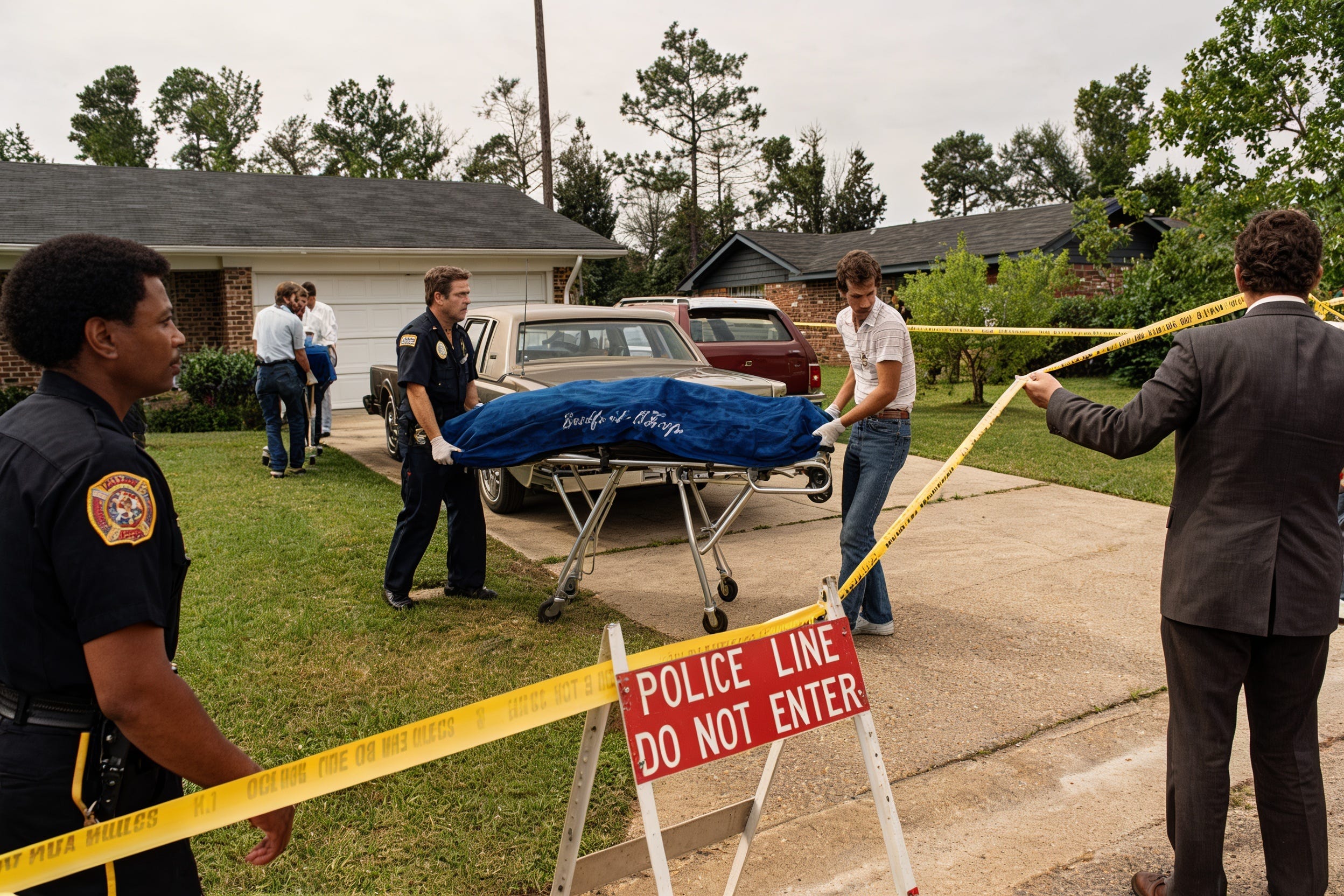
The someone who called was Pete Halat, Vince’s former law partner, a lean, tanned lawyer with a deep-creased face and graying hair combed down close. Getting no answer, he drove to the house with Chuck Leger, an associate from the firm. Leger found a door unlocked. Halat went in, then shouted back to Leger. Both Sherrys were dead.
“I walked a little into the house, and I saw your dad’s feet,” he told the Sherry children later. Think about that. Margaret’s body lay in the back of the house, well past where Halat said he stopped, yet he announced to Leger that two were dead.
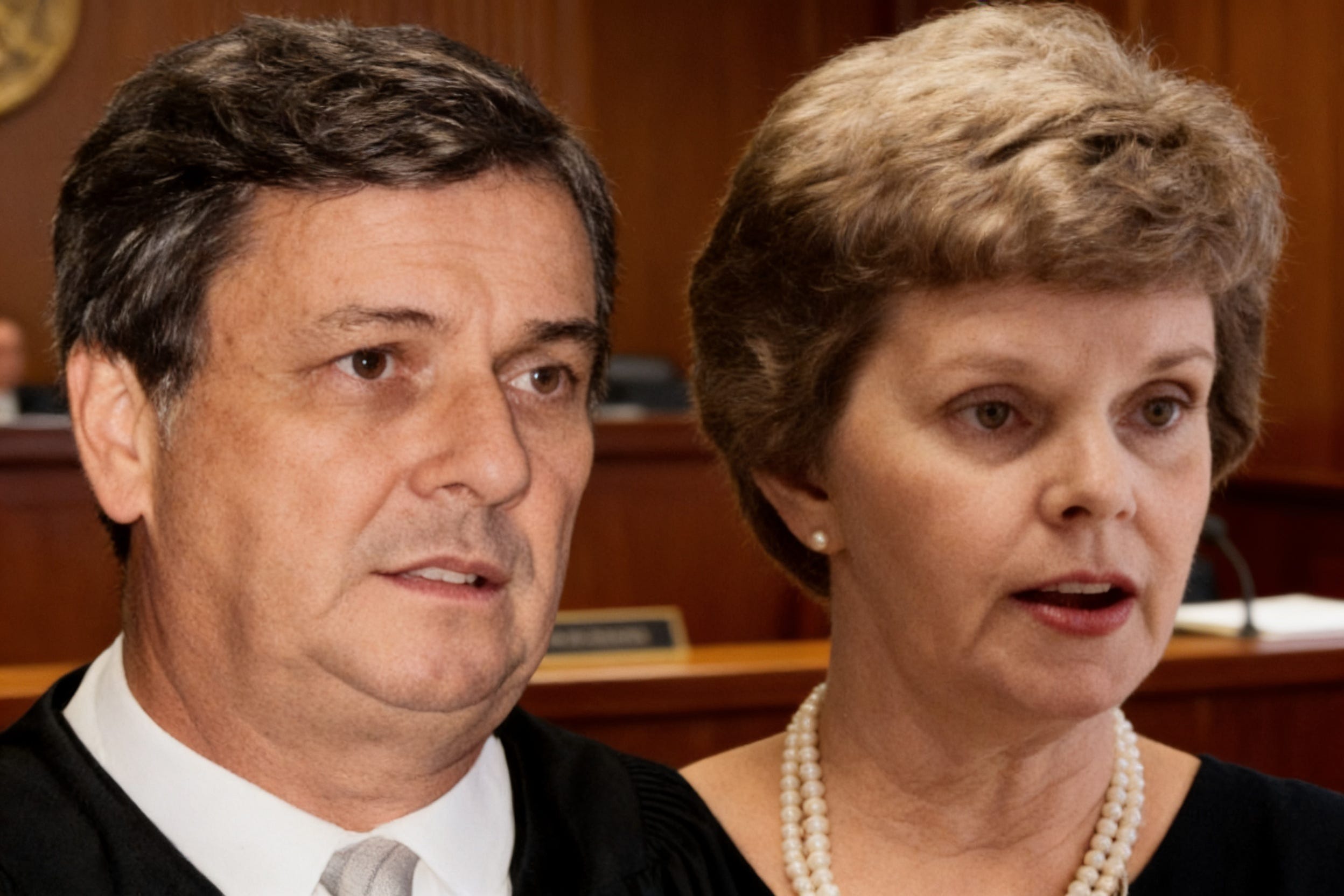
Vince Sherry had a full face under heavy dark brows, hair gone gray at the temples, the easy look of a man happy with his career and home life. He practiced law with Halat, at the firm of Halat and Sherry, five years before winning the circuit bench.
Margaret usually wore her hair swept back and a strand of pearls, and aimed a level gaze at whatever crossed her. She served on the city council and lost the 1985 mayor’s race, but she planned to run again. Her platform focused on one thing: cleanup. She wanted the rackets out of Biloxi.
They died over money they likely knew nothing about, on the word of a man they never met, a man siting in a cell at Angola State Penitentiary, a prison farm bigger than Manhattan.
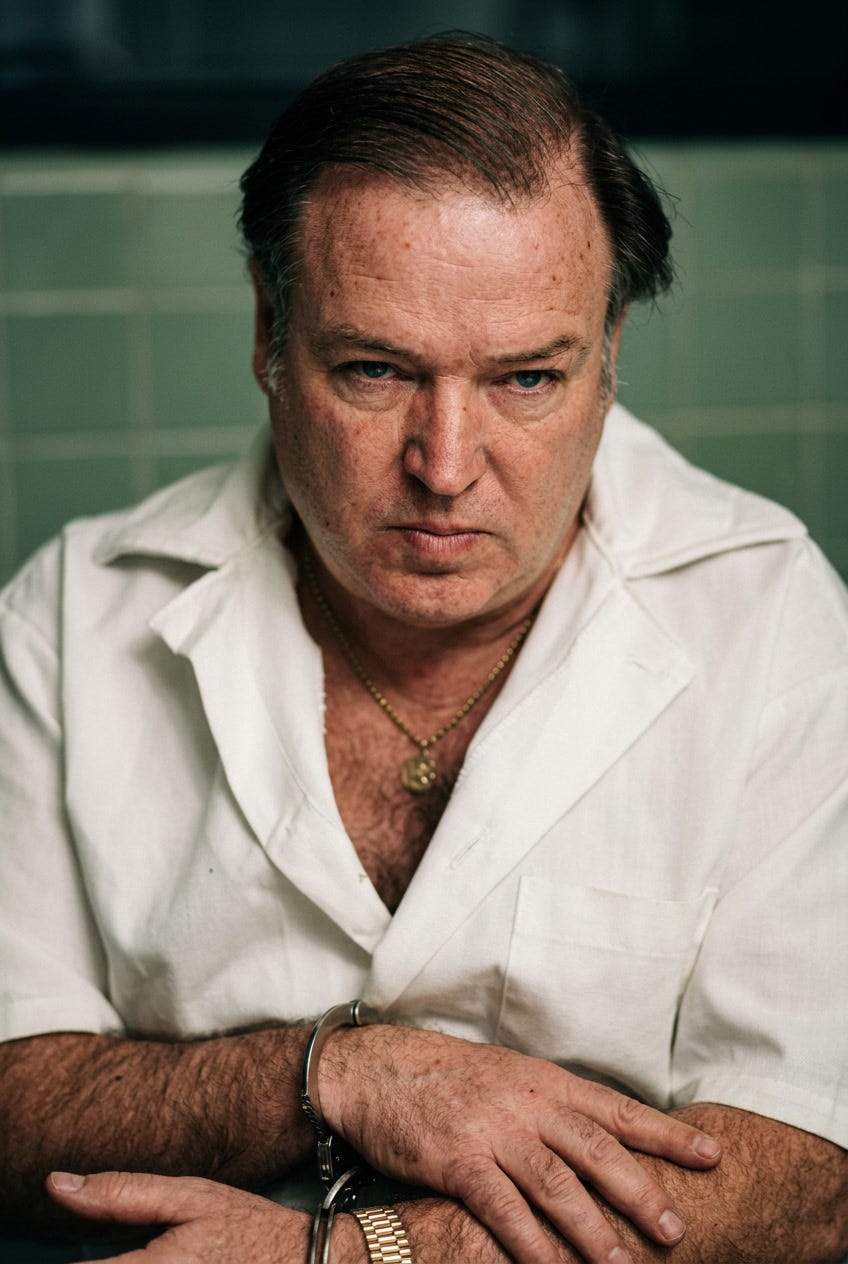
Kirksey McCord Nix Jr. was a big, fleshy convict, balding, dark hair slicked back over small hard eyes. In prison photographs, he wears a gold chain and a gold wristwatch alongside his handcuffs. In 1987, he was doing life without parole for the 1971 murder of New Orleans grocer Frank Corso.
In Oklahoma, his father was a sitting Court of Criminal Appeals judge. The son took a different view of the law and joined what the FBI called “a loose confederation of thugs and crooks” working the roadhouses from Texas to Georgia.
The Dixie Mafia was more of a lifestyle than an actual organization. It grew from the lowlifes left homeless after the United States government shutdown Phenix City, Alabama’s Sin City, in July 1954. Virtually none of its members traced their roots to the moonshiners of Appalachia, making media’s “cornbread mafia” tag no more than misdirection.
Despite the nickname law enforcement gave them, the Dixie Mafia had no dons and swore no oaths. They did “wet work” for the New Orleans mob from time to time, but not exclusively. According to the FBI, the services of these “Hoodlums for Hire” were available to the highest bidder. If the job was too immoral for one of them, they could recommend another with fewer morals.
From Angola, Nix ran a con investigators call a Lonely Hearts scam. His crew placed personal ads in gay magazines, posing as handsome young men in trouble, and lonely respondents wired money to rescue them. The FBI estimated their take hit hundreds of thousands of dollars. One Kansas man, they found, mortgaged his house and sent $30,000.
Nix believed enough money could buy him a pardon from a crooked politician and get him out of Angola. The collected cash went into a trust account at Halat and Sherry, where his attorney, Pete Halat, could safeguard it. Federal prosecutors said Halat helped himself to the scam money instead.
When Nix noticed the shortage, Halat told him Vince Sherry took it. But Sherry, the FBI believes, never touched a dime.
Nix wanted the Sherrys dead, so he asked an associate of Carlos Marcello’s to make the arrangements. That sat well with Mike Gillich, the gray and knot-faced, strip-club owner Biloxi everyone called Mr. Mike. Margaret Sherry had spent her public life promising to shut Mike Gillich and his fellow club owners down. Killing her too could be good business.
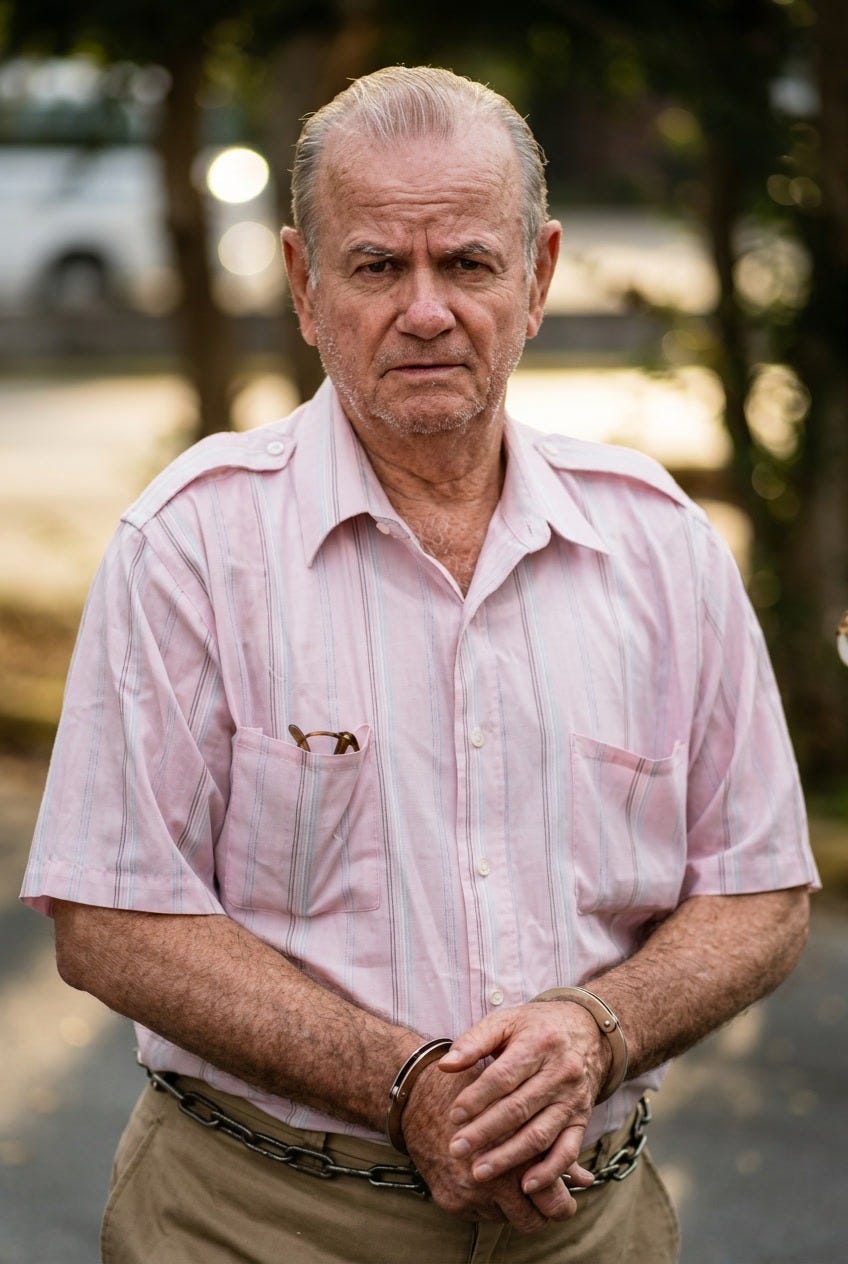
The man who knocked at the Sherry’s door that morning, prosecutors said, was Thomas Leslie Holcomb, a Dixie Mafia killer for hire.
For two years the case went nowhere, and Biloxi residents weren’t surprised. Their own sheriff, Leroy Hobbs, had gone to prison on racketeering and drug charges only a few years before. Plenty of people in Biloxi knew something, and every one of them understood what knowing could cost.
Lynne Sposito, the Sherrys’ daughter, wouldn’t leave it alone. She pressed the officials and hired her own investigator, and when Biloxi officials wearied of her, she looked elsewhere. Two FBI agents, Royce Hignight and Keith Bell, stepped up. They spent eight years tracing Lonely Hearts money from mailboxes to a cellblock at Angola, and from there into a Biloxi trust account.
In 1989, while the agents worked, Biloxi held an election. It chose as mayor the man who’d found Vincent and Margaret’s bodies.
In 1991, a federal jury convicted Nix and Gillich of conspiracy to commit murder. Then Gillich did the one thing a mafia man of any sort was never supposed to do. He talked.
In 1996, a grand jury indicted Mayor Halat. In 1997, a jury convicted him of conspiracy and obstruction, and the events of that Wednesday morning finally added up. He drew eighteen years and served till 2013.
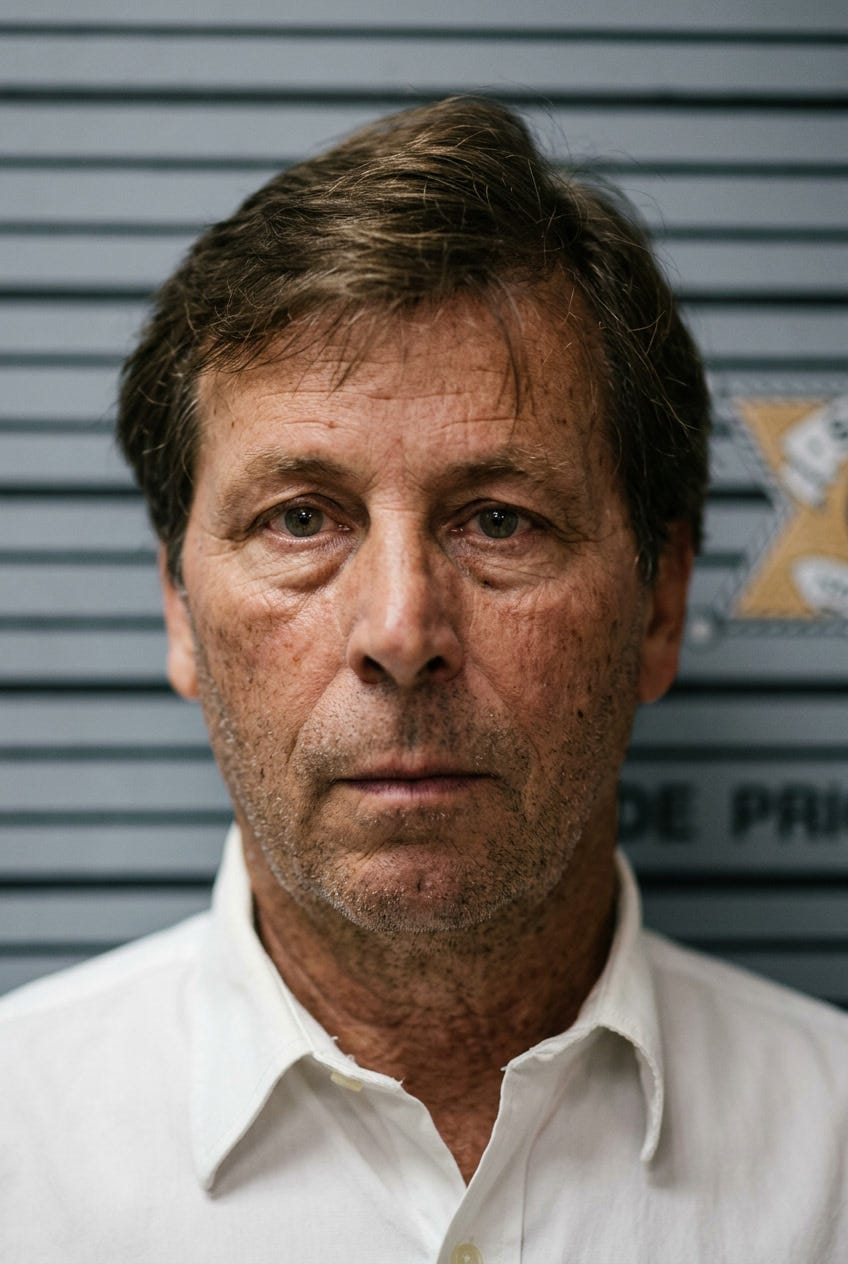
Triggerman Holcomb drew life and died in prison in 2005. Gillich traded testimony for daylight and died at home in 2012. And Nix, he’s in his eighties now, back home in Oklahoma, but in a federal cell at El Reno, still doing the life sentence he tried to buy his way out of.
Thirty-nine years this September, and it’s the two quiet days I keep coming back to. A judge and his wife lay dead behind an unlocked door, and the town went about its business until a courtroom sat waiting on its judge.
Margaret Sherry told Biloxi that the rackets owned too much of the town. Proving her right took a daughter who wouldn’t quit and a pair of federal men with eight years’ patience, but not before the city handed her enemies’ lawyer its highest office.
Vince Sherry answered his own door that Monday evening, the way grocer Frank Corso did in New Orleans in 1971.
Today, we have doorbell cameras.