
The Tomato Salesman (Part 5)
The Death of Carlos Marcello
October 6, 1989. Federal marshals complete the paperwork and Carlos Marcello walks out of the federal correctional system for the last time.
He is seventy-nine years old.
The strokes that began the previous January have hollowed something behind his eyes. He stands wide-shouldered and five feet three, the silver mane gone to white.
He is going home to Louisiana.
He returned to an empire that had not waited for him.
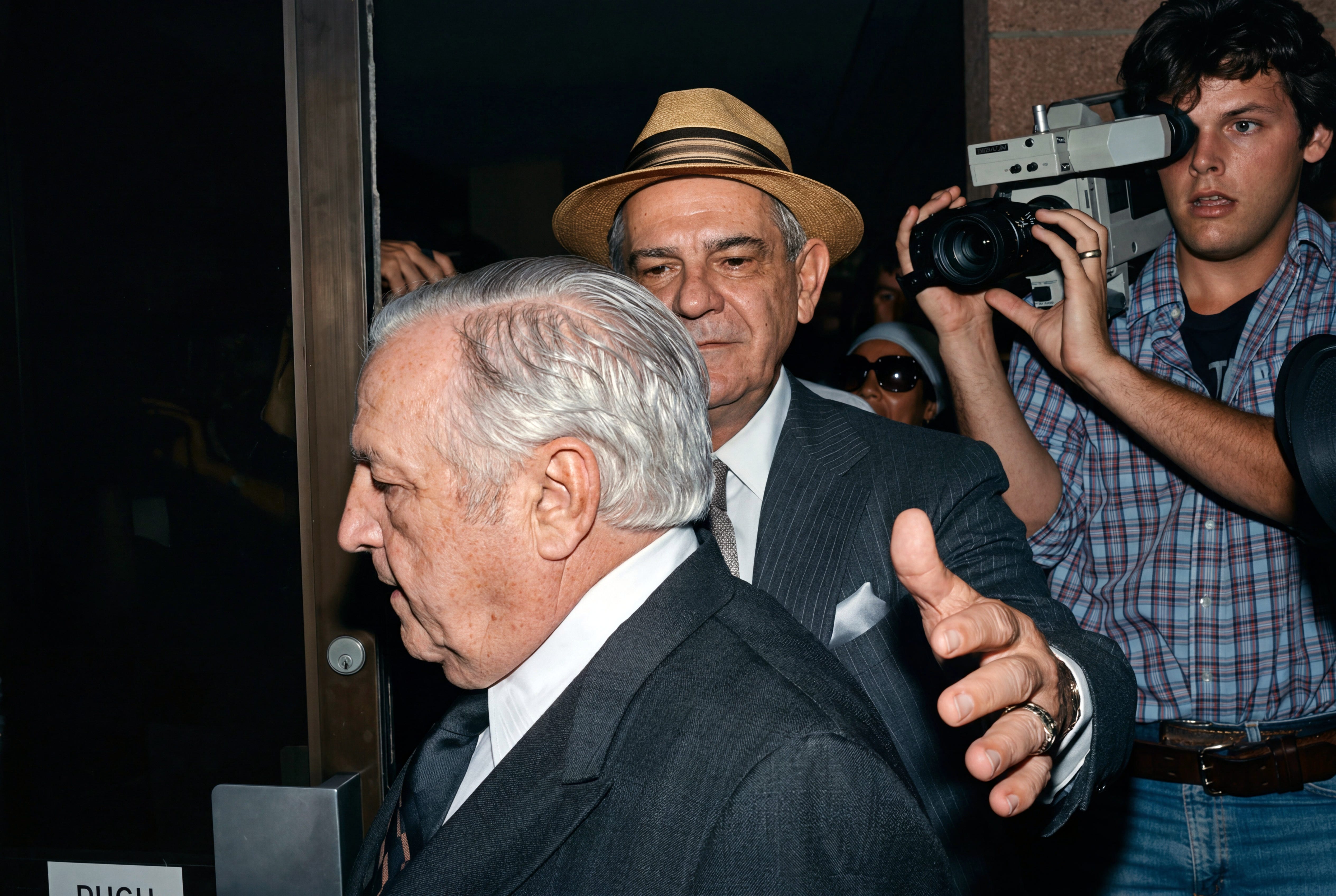
It had started on April 15, 1983, the day a federal judge dismissed the appeal and ordered him to begin serving immediately.
Two juries had convicted him in the BRILAB insurance fraud: Louisiana on August 4, 1981, then Los Angeles four months later. At seventy-three, Carlos Marcello faced seventeen years.
The Bureau of Prisons placed him at the US Medical Center for Federal Prisoners in Springfield, Missouri. Minimum security, parklike grounds. After a year, they moved him.
The federal prison at Texarkana, Texas was level three. Harsh.
Carlos adapted.
His clothes arrived pressed. He held sway over the phone schedule and over who earned the private two-man cells instead of the dormitories.
In the spring of 1985, Jack Ronald Van Laningham arrived at Texarkana to serve eight years for bank robbery. Van Laningham, fifty-six, with the worn look of a man who had hit bottom once too often, had robbed a small Tampa bank using a bag of dirty laundry and a television remote control.
He got away cleanly, then called the FBI to confess. The Tampa agents said they would never have found him.
Van Laningham wrote about his first sight of the little man: clothes pressed, shoes shined. Inmates gave Carlos their phone time and competed for his attention. One told Van Laningham, “He runs this place. A good friend to have.”
Within weeks Van Laningham read Carlos the newspaper each morning, since Carlos, at seventy-five, found small print difficult.
One day in March 1985, Carlos put the paper down and introduced himself.
“Hello, I’m Carlos Marcello.”
The friendship had not gone unnoticed.
FBI agent Thomas Kimmel supervised three federal prisons for the Bureau’s Washington office, Texarkana among them. The House Select Committee on Assassinations had concluded in 1979 that Carlos had “the motive, means, and opportunity to assassinate President Kennedy” and had forwarded a criminal referral to the Justice Department, where it sat.
Kimmel proposed an investigation into whether Carlos was still running his organization from prison. His brother Joseph, nominally in charge in New Orleans, had proven unable to manage it.
Kimmel recruited Van Laningham. An undercover agent named Tom Kirk posed as Van Laningham’s best friend, a shady businessman with Bureau of Prisons connections. The FBI moved Van Laningham into Carlos’s private cell.
Van Laningham bought a Panasonic radio at the prison commissary. Authorities took it away for “inspection” and returned it with a recording device inside. Agents tapped the phone lines as well.
Van Laningham wrote later: “I was really scared. If I was found out, I was dead.”
The FBI called it CAMTEX.
On December 15, 1985, Carlos and Van Laningham sat outside in the prison yard with a third inmate, a trusted man from New Orleans. Carlos had been raging about the Kennedys for weeks. This time he went somewhere he had not gone before.
A federal memo, confirmed in subsequent FBI documents, records what he said: “Yeah, I had the son of a bitch killed. I’m glad I did. I’m sorry I couldn’t have done it myself.”
Carlos stopped. He walked to the other side of the yard.
The New Orleans man turned to Van Laningham. “I don’t know about you, but I did not hear anything.”
Two days later, Carlos sat Van Laningham down and told him about an old Sicilian priest who had once offered him this counsel: if your enemies get in your way, bury them in the ground, let the grass grow over them, and go about your business.
Kimmel’s reports reached the Reagan Justice Department, which charged no one.
In March 1987, Santo Trafficante, seventy-two and pale from years of heart trouble, called his attorney Frank Ragano for a final conversation in Tampa.
Trafficante was facing surgery and wanted to speak somewhere microphones could not reach. During an hourlong drive in Ragano’s car, he turned to the Kennedy years.
“God-damn Bobby,” Trafficante told Ragano. “I think Carlos fucked up in getting rid of John. Maybe it should have been Bobby.”
“We shouldn’t have killed John. We should have killed Bobby.”
Four days later, Trafficante died at the Texas Heart Institute in Houston. He had never spent a night in an American prison.
On May 21, 1987, federal marshals drove Carlos from the comfortable Fort Worth facility his family had paid bribes to secure and returned him, under armed escort, to Texarkana.
CAMTEX was over. The bribe money and the tapes stayed in the files.
The strokes had begun in January 1989. By February 27, Carlos was at the federal medical center in Rochester, Minnesota, drifting in and out.
An attendant overheard him muttering: “That Kennedy, that smiling motherfucker, we’ll fix him in Dallas.” Agents questioned him that September. He denied everything.
On October 6, 1989, a federal appellate court reversed the BRILAB conviction. The government did not retry him.

Carlos came home. Former associates, including Frank Joseph Caracci, had absorbed what remained of his organization.
Joseph Marcello had not proved equal to the work. Carlos spent his final years at home as his mind failed him further.
March 2, 1993. Carlos Marcello is eighty-three years old. He is at home in Louisiana, in his own bed. It is a quiet winter morning. He has been asleep for hours, and today he will not wake up.
The Associated Press ran an obituary. It noted his name had “often been mentioned in connection with the assassination of President Kennedy” and that he had “never been charged.”
He had entered the United States in his mother’s arms in 1910 and sold tomatoes as a boy. Sixty years of work had made him untouchable. He outlived Robert Kennedy by twenty-five years.
He went to sleep.
John F. Kennedy and Robert Kennedy did not die that way.


